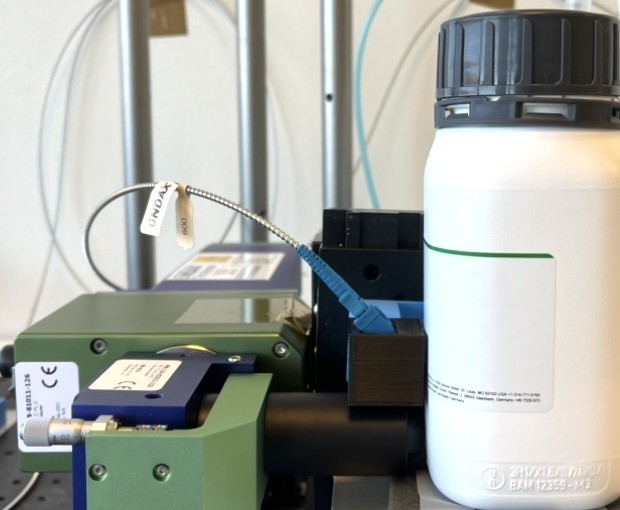
Build and adapt methods
We work with optical platforms and niche spectroscopic configurations that can be tuned for challenging pharmaceutical materials and realistic sample formats.
We develop and apply structural spectroscopy and data-driven analysis to understand pharmaceutical materials across molecular, nanoscale and bulk length scales.
Our goal is to turn complex spectroscopic measurements into interpretable information that can support formulation design, material selection and performance prediction.
We work with optical platforms and niche spectroscopic configurations that can be tuned for challenging pharmaceutical materials and realistic sample formats.
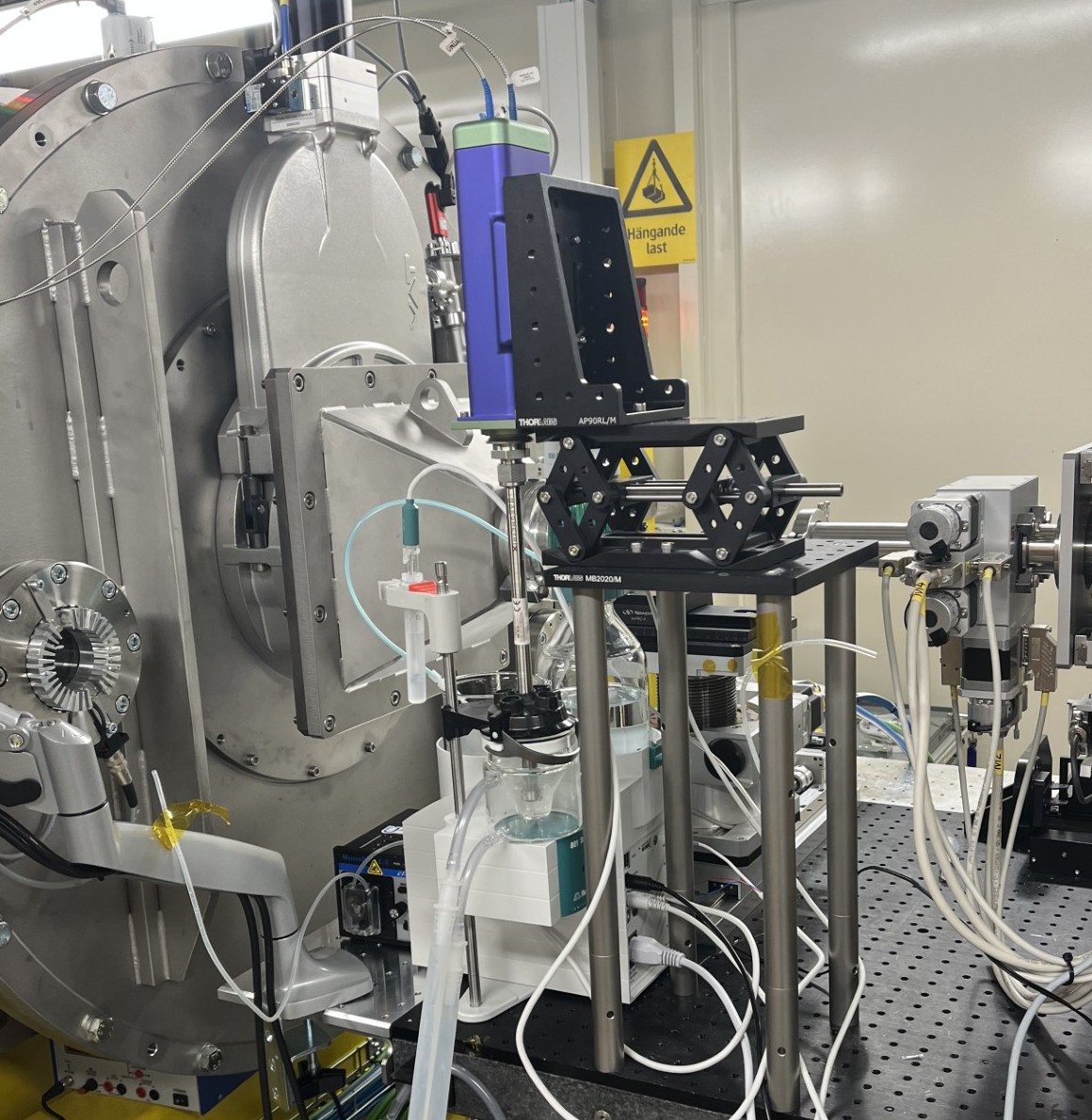
Our targets range from pharmaceutical solids and amorphous materials to lipid- and polymer-based drug delivery systems, with an emphasis on structure–property relationships.
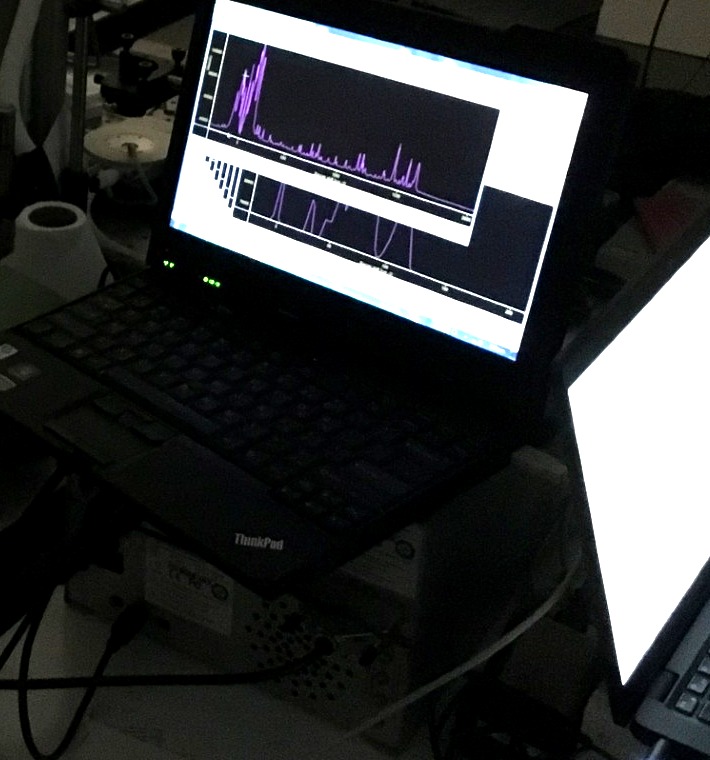
We combine spectroscopy with multivariate analysis, machine learning, simulations and multimodal experiments to turn raw measurements into interpretable and predictive insight.
The lab connects formulation science, physical and analytical chemistry, and data science. This combination allows us to move from complex pharmaceutical samples to mechanistic interpretation and predictive models.

Berzins Lab is based at the Department of Pharmacy, University of Copenhagen, and is affiliated with the Center for Pharmaceutical Data Science Education. We focus on the materials science of pharmaceutical solids and advanced drug delivery systems, with particular attention to how structural organization, collective dynamics and mechanical behaviour influence formulation performance and stability.
Brillouin, ultra-low-frequency Raman and conventional Raman spectroscopy form the core of the platform, supported by specialized Raman modalities, complementary structural methods, periodic DFT calculations using the CRYSTAL package, and data-driven analysis. The goal is not only to characterize materials, but to extract mechanistic and predictive information that can guide pharmaceutical development.

The group applies spectroscopy and data-driven analysis across increasing levels of material complexity, from small molecules and pharmaceutical solids toward peptides, proteins/biologics, lipid-based systems and polymeric drug delivery materials.
This direction supports a step-wise learning strategy: starting from well-controlled model systems, then moving toward more complex formulations where mechanical, structural and chemical information must be interpreted together.